Anxiety does not always arrive like a siren. Sometimes it walks in wearing your own voice. It tells you to check your phone again, replay that awkward moment again, and predict disaster before breakfast. That is why anxiety relief techniques matter so much. You do not need a perfect life to feel calmer. You need a better response when your mind starts running laps around your peace.
I know the trap. You tell yourself you are just being responsible, but your body knows better. Your jaw tightens, your chest feels crowded, and even small decisions start feeling like a final exam. That is not weakness. That is a stressed system asking for direction.
Real calm is not built from one magic trick. It comes from small actions that teach your body and mind the same lesson over and over: you are safe enough to slow down. That is where mental balance begins. Not in denial, not in forced positivity, but in practical habits that work when real life gets loud.
If you want deeper background on how anxiety shows up in the body, the National Institute of Mental Health’s anxiety page is a solid place to start. Then come back here and do the part that actually changes things.
Start With the Body Before You Argue With the Mind
Your body usually notices stress before your thoughts explain it. That matters more than most people realize. When your heart speeds up and your breathing gets shallow, your brain starts building a story to match the alarm. Suddenly a normal email feels threatening and a delayed reply feels personal.
The fix is not glamorous. It is physical. Plant both feet on the floor. Drop your shoulders. Exhale longer than you inhale for a few rounds. That longer exhale tells your system to stop acting like a fire is spreading through the room. Simple, yes. Small, no.
A friend of mine used to spiral every Sunday night before work. She tried motivation podcasts, strict planners, even cutting caffeine cold turkey. What helped most was a ten-minute reset: slow breathing, a short walk outside, and no phone during that window. Her problem did not vanish. Her body just stopped feeding it extra fuel.
Most people wait until panic gets loud. Bad strategy. The better move is to interrupt the signal early, while it is still a murmur and not a full parade through your chest.
Calm starts lower than thought. It starts in muscle, breath, and posture. Once your body softens, your mind becomes far easier to handle.
Cut the Hidden Inputs That Keep Your Nervous System on Edge
A lot of anxiety does not come from one dramatic event. It comes from constant friction. Too much caffeine. Too much news. Too much scrolling. Too many open tabs in your browser and in your head. Your mind cannot rest if you keep feeding it noise like it is a full-time job.
People love to talk about mindset while ignoring input. I think that is backwards. If you drink three strong coffees, sleep five hours, and read twenty alarming headlines before noon, your brain is not failing you. It is reacting exactly as expected.
This is where anxiety relief techniques stop being abstract and become honest. You may need to reduce what you call “normal.” One coffee instead of four. News once a day instead of all day. Phone out of reach for the first thirty minutes of the morning. Not forever. Just long enough to stop waking up in defense mode.
I saw this hit home with a freelancer I know who checked messages the second his eyes opened. By 9 a.m., he already felt behind, irritated, and jittery. He finally changed one thing: no inbox before breakfast. That single boundary took the edge off his whole day.
You do not need a silent cabin in the woods. You need fewer tiny attacks on your attention. That is a much more realistic path to mental balance.
Give Worry a Container or It Will Fill the Whole Day
Anxious thinking loves unlimited space. If you let worry roam freely, it will move into every hour and start redecorating. That is why one of the smartest things you can do is give it a container. A real one. A set time, a set place, and a clear end.
This sounds odd until you try it. Pick fifteen minutes in the afternoon and call it worry time. During that window, write down every fear, every worst-case prediction, every irritating loose thread. No filtering. Let it be messy. Your job is not to sound wise. Your job is to stop carrying the whole pile in your chest.
Here is the catch: when anxious thoughts show up outside that time, you do not wrestle them for an hour. You say, “Not now. I have a time for this later.” That line feels silly the first few times. Then it starts working.
A man I once worked with kept replaying one mistake from a client meeting for days. He thought constant mental review would protect him from future errors. It did the opposite. Once he started writing those thoughts down during a short evening slot, the obsession lost some of its grip.
Worry feels urgent because it wants the whole stage. Do not give it the stage. Give it a folding chair in the corner and a timer. That changes the power dynamic fast.
Build a Daily Rhythm That Makes Your Brain Feel Less Hunted
An anxious brain hates chaos, but it also hates boredom. That is why random living often backfires. Too much unpredictability keeps your system scanning for threats. Too much pressure turns every day into a performance test. The answer sits in the middle: rhythm.
Rhythm is not a military schedule. It is a few repeatable anchors that tell your mind what comes next. Wake at a fairly similar time. Eat real meals. Move your body on purpose. End the day in a way that signals closure. These habits sound ordinary because they are. Ordinary saves people more often than dramatic plans do.
One teacher I know stopped doom-looping at night after adding a fifteen-minute closing routine: clear the kitchen, write tomorrow’s top three tasks, shower, then read two pages of a paperback. Nothing fancy. Yet her evenings stopped feeling like a hallway with no exits.
The counterintuitive truth is this: freedom often grows from structure. When your day has a shape, your brain spends less energy trying to guess what disaster comes next. That gives you room to think, feel, and recover like a person instead of a smoke alarm.
You do not need to control every hour. You just need enough pattern that your nervous system stops feeling hunted.
Let Other People In Before Anxiety Turns You Into Your Own Echo Chamber
Anxiety gets louder in isolation. Left alone long enough, your thoughts start sounding like evidence. That is dangerous. Not because you are broken, but because fear becomes persuasive when no outside voice interrupts it.
You need real contact. Not the fake kind where you send memes all day and still feel alone by sunset. I mean honest contact. A friend who can say, “You are spiraling a bit.” A sibling who knows your tells. A therapist if the weight keeps returning and self-help keeps hitting the same wall.
I have seen people wait too long because they think asking for help means failure. That is nonsense. You would not call it failure to use a map when you are lost in a city. Why call it failure when you are lost in your own head?
One of the bravest things you can say is, “I am not doing great, and I do not want to keep pretending I am.” That sentence breaks something open. Often, relief enters right there.
Calm is easier to build when it is witnessed. Shame shrinks when spoken. Fear loses some of its theater when another human turns the lights on.
That does not make you dependent. It makes you wise enough to stop fighting every battle alone.
Conclusion
Lasting calm does not come from waiting for life to become easy. Life rarely offers that deal. It comes from learning how to meet stress without handing it the keys to your whole nervous system. That is the deeper promise of anxiety relief techniques. They do not erase every hard day, but they stop hard days from turning into an identity.
You do not need ten new habits by Monday. You need one move you will actually do when your chest tightens and your thoughts start sprinting. Maybe that is slow breathing. Maybe it is cutting the morning scroll. Maybe it is texting someone before your mind turns into a courtroom with no judge and no exit.
Here is my strong opinion: people often chase insight when what they really need is practice. Insight feels satisfying. Practice changes your life. Repetition teaches safety better than pep talks ever will.
So start small, but start today. Pick one method from this piece and use it for the next seven days without bargaining with yourself. Then build from there. Your peace deserves more than good intentions. It deserves action.
What are the fastest ways to calm anxiety at home?
The fastest options usually involve your body first: slower breathing, cold water on your hands, a short walk, and getting away from screens for ten minutes. Quick relief matters because it interrupts the rise before it becomes a full spiral.
Which anxiety relief method works when overthinking keeps getting worse?
When overthinking takes over, writing the thoughts down works better than wrestling them in your head. Put the fear on paper, name the worst-case story, and limit your attention to it. Structure beats mental chaos almost every time.
Can breathing exercises really reduce anxiety symptoms?
Yes, but only when you do them properly and long enough to matter. A rushed inhale-exhale pattern can make you feel worse. Slower breathing, with a longer exhale, gives your body a cleaner signal that the threat level is dropping.
How do I calm anxiety at night when my mind will not shut off?
Night anxiety needs a shutdown routine, not more mental debate. Dim the lights, stay off your phone, write tomorrow’s tasks, and keep the room boring. Your brain falls asleep more easily when it stops expecting one more hit of stimulation.
What daily habits help with anxiety and emotional stability?
Consistent sleep, fewer stimulants, regular meals, movement, and less doom-scrolling help more than people want to admit. These habits are not flashy, but they create the kind of steadiness your nervous system can actually trust.
Is it normal for anxiety to feel physical instead of emotional?
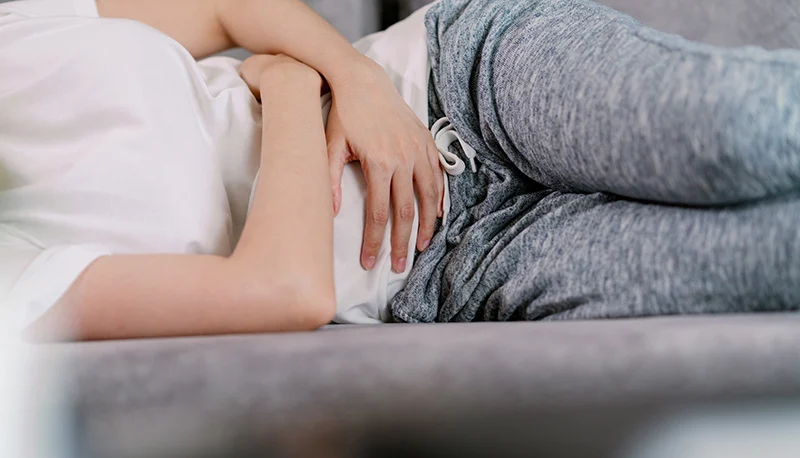
Yes, very normal. Anxiety often shows up as tight shoulders, stomach trouble, shaky hands, chest pressure, or a racing heart before you even label the feeling. Your body usually raises the flag before your mind writes the explanation.
How can I stop anxiety from ruining my workday?
You stop feeding it constant fuel. Set email windows, take short reset breaks, reduce caffeine, and stop treating every task like a verdict on your worth. Anxiety loves blurred boundaries, so clean boundaries weaken it fast.
Do anxiety relief habits work better than motivation or positive thinking?
Most of the time, yes. Motivation comes and goes, and positive thinking can become a sugary cover-up. Habits keep working even when you feel off. They ask less from your mood and more from your willingness to repeat what helps.
When should I get professional help for anxiety?
Get help when anxiety keeps affecting sleep, work, relationships, or your ability to function like yourself. Also get help when self-help keeps becoming shelf-help. If the same cycle keeps returning, outside support is a smart next move.
Can too much caffeine make anxiety worse even if I think I can handle it?
Yes, and people underestimate this constantly. You may think you are just more alert, but your body may read it as danger. If you feel wired, restless, or edgy, caffeine may be adding heat to an already stressed system.
What is the best morning routine for lowering anxiety naturally?
A solid morning routine starts quiet. No phone first thing, no instant inbox, and no panic-fueled rushing. Drink water, get light in your eyes, move a little, and begin the day before the day begins attacking you back.
How long does it take for anxiety coping habits to actually work?
Some tools help within minutes, especially body-based ones. Bigger change usually takes days or weeks of repetition. That is normal. Your nervous system learns by pattern, not by one heroic afternoon of trying to fix everything.