
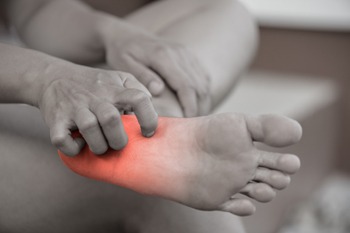
Numb toes can feel harmless until the floor starts feeling far away from your feet. For many Americans living with diabetes, Peripheral Neuropathy begins quietly: a little burning at night, a strange pins-and-needles feeling, or a sore spot that should hurt but does not. High blood sugar can damage nerves over time, and the feet and legs often take the hit first because those nerves sit farthest from the spinal cord.
The mistake is thinking diabetes alone explains every nerve problem. It often plays the lead role, but it may not be the only cause. Blood fats, poor circulation, vitamin shortages, kidney disease, thyroid problems, alcohol use, medication effects, and foot injuries can all add pressure to already stressed nerves. That is why patient education from trusted health publishing resources matters: people need plain language before small symptoms become permanent problems.
Peripheral Neuropathy Often Starts With Long-Term Blood Sugar Stress
Nerves do not fail all at once. They struggle, adapt, misfire, and then stop sending clear signals. In diabetes, long stretches of high glucose can damage both the nerve fibers and the small blood vessels that feed them oxygen and nutrients. NIDDK describes high blood glucose and high blood fats as major drivers of diabetic nerve damage.
Why high blood glucose damages diabetic nerves
High blood sugar changes the chemistry around nerves. The damage is not dramatic at first, which makes it easy to ignore. A person in Dallas may still walk the dog, drive to work, and shop at Walmart while the nerves in the feet slowly lose sharp feeling.
That quiet pace is what makes the condition dangerous. Pain gets attention, but numbness tricks people into thinking the problem is mild. A blister from a tight sneaker can sit unnoticed for days because the warning system has gone dull.
Why nerve symptoms often show up in the feet first
Feet sit at the end of the longest nerve pathways in the body. When diabetes injures nerves, the longest ones often show symptoms first. That is why tingling, burning, cold feelings, or numbness often starts in the toes before the hands feel anything.
A counterintuitive point matters here: less pain does not always mean less damage. Some people with serious nerve loss feel almost nothing. That is why the CDC urges people with diabetes to check their feet daily, because wounds may become infected when nerve damage and poor blood flow combine.
Blood Fats, Blood Pressure, and Circulation Add More Nerve Strain
Glucose gets most of the blame, but nerves also need healthy blood flow. When blood pressure runs high, triglycerides stay elevated, or circulation weakens, the nerves receive less support. The American Diabetes Association’s Standards of Care recommend optimizing glucose, weight, blood pressure, and lipid management to reduce risk or slow diabetic neuropathy.
How high triglycerides affect diabetic nerve health
High triglycerides do not cause the same instant fear as a high A1C result, but they matter. Nerves depend on small blood vessels, and unhealthy blood fats can make that supply line less reliable. Over time, poor metabolic health turns nerve repair into an uphill fight.
A common U.S. pattern makes this worse. Someone may take diabetes medication but still eat many ultra-processed meals, skip activity after work, and ignore cholesterol numbers because the glucose reading looks “close enough.” The nerves do not separate those risks neatly.
Why poor circulation makes foot problems worse
Poor circulation slows healing. Nerve damage hides injuries. Together, they create the classic diabetic foot risk: a small cut becomes a bigger wound because the person does not feel it early and the body cannot heal it fast enough.
This is why a foot check is not vanity care. It is risk control. A mirror under the foot, a family member’s help, or a quick daily look after showering can catch redness, cracked skin, swelling, or a sore before it becomes a clinic visit.
Other Medical Problems Can Imitate or Worsen Diabetic Nerve Damage
Diabetes may be present, but doctors still need to ask a sharper question: what else is happening? The ADA advises that people with diabetic peripheral neuropathy should be evaluated for other possible causes, including alcohol, neurotoxic medications, vitamin B12 deficiency, nutritional problems, hypothyroidism, kidney disease, infections, malignancies, inherited neuropathies, and inflammatory nerve disease.
Vitamin B12 deficiency and metformin-related concern
Vitamin B12 helps maintain nerve cells. Low levels can cause numbness, tingling, weakness, and balance trouble. Mayo Clinic notes that people with low B12 may face a higher risk of neuropathy and that some medicines can lower B12 levels.
This matters for many Americans with type 2 diabetes because metformin is widely used. That does not make metformin “bad.” It means long-term users should discuss B12 testing with a clinician, especially if new tingling or numbness appears despite better blood sugar numbers.
Kidney disease, thyroid disease, and medication effects
Kidney disease can allow waste products to build up in the body, and that can irritate or damage nerves. Thyroid problems can also contribute to nerve symptoms. Chemotherapy and some other medications may cause neuropathy too, so a full medication history matters.
The practical lesson is simple: do not let the word “diabetes” close the investigation too early. A person can have diabetes and still have another treatable reason for nerve symptoms. Catching that second cause can change the whole plan.
Lifestyle Triggers Can Turn Mild Symptoms Into Daily Pain
Some causes live in lab results. Others live in daily routines. Alcohol use, smoking, poor footwear, repeated pressure on the feet, low activity, and delayed care can all make nerve trouble harder to control. Mayo Clinic lists diabetes as one of the most common causes of neuropathy and also notes alcohol use, toxins, and certain medicines as possible causes.
Alcohol use and nutrition gaps can hurt already stressed nerves
Alcohol can damage nerves directly, and heavy use often comes with poor nutrition. That combination is rough on a person with diabetes. The nerves already face glucose stress, so adding vitamin gaps or toxic effects makes symptoms harder to calm.
This is not about moral judgment. It is body math. If nerves need steady nutrients, healthy blood flow, and stable glucose, then alcohol-heavy habits pull in the wrong direction. Cutting back can be a medical decision, not a personality test.
Footwear, injuries, and delayed care create preventable damage
Shoes matter more than people want to admit. A tight toe box, rough seam, thin sole, or worn-out sneaker can rub the skin until a sore opens. A person with normal feeling would stop wearing that shoe fast. A person with numb feet may not notice until the sock shows blood.
The unexpected insight is that prevention often looks boring. Daily foot checks, clean socks, supportive shoes, glucose tracking, yearly foot exams, and quick calls to a doctor do not sound dramatic. They work because nerve damage punishes delay.
Conclusion
Nerve damage in diabetes is not one single event. It is a chain reaction that builds from blood sugar stress, blood fat problems, circulation strain, hidden vitamin shortages, medical conditions, medication effects, and everyday foot pressure. That is why the smartest response is not panic. It is attention.
Peripheral Neuropathy deserves early action because the first signs may be small while the stakes are large. Burning feet at night, numb toes, sharp shocks, balance changes, or wounds that heal slowly should never be brushed off as “normal diabetes.” Common does not mean harmless.
The best next step is direct and practical: schedule a diabetes foot and nerve check, ask about B12 and other possible causes, review medications, and build a daily foot-care habit at home. Protect the signal before silence becomes the symptom.
Frequently Asked Questions
What are the first signs of diabetic nerve damage in the feet?
Early signs often include tingling, burning, numbness, sharp pains, cold feelings, or unusual sensitivity in the toes and feet. Some people notice symptoms more at night. Others notice they stop feeling small injuries, which can be more dangerous than pain.
Can high blood sugar alone cause nerve damage?
High blood sugar is a major cause, but it is not always the only factor. High triglycerides, poor circulation, kidney disease, vitamin B12 deficiency, thyroid disease, alcohol use, and certain medications can also contribute. A clinician should check for other causes.
Why do diabetic patients get numb feet before numb hands?
The longest nerves often show damage first. Since the nerves reaching the toes travel farther than those reaching the hands, symptoms commonly begin in the feet. That pattern is common in diabetes-related nerve damage.
Can diabetic nerve damage be reversed?
Some symptoms may improve when blood sugar, blood pressure, lipids, and other causes are managed early. Long-standing nerve damage may not fully reverse. Early diagnosis gives the best chance to slow progression and reduce pain or foot complications.
How often should diabetic patients have a foot exam?
Many people with diabetes need a complete foot exam at least once a year. People with known neuropathy, ulcers, poor circulation, or past foot problems may need checks more often. Home foot checks should happen daily.
Can metformin cause neuropathy symptoms?
Metformin can contribute to low vitamin B12 in some long-term users, and low B12 can cause nerve symptoms. Metformin is still an important diabetes medicine for many people. Ask a clinician whether B12 testing makes sense for your situation.
What foot problems are warning signs for urgent care?
Open sores, spreading redness, swelling, drainage, black skin, fever, sudden pain, or a wound that will not heal need prompt medical care. People with numb feet should not wait for pain before seeking help.
What daily habits help protect diabetic nerves?
Steady blood sugar management, daily foot checks, supportive shoes, regular activity, no smoking, limited alcohol, blood pressure control, lipid management, and scheduled medical exams all help. Small habits matter because nerve damage often grows quietly before it becomes obvious.