
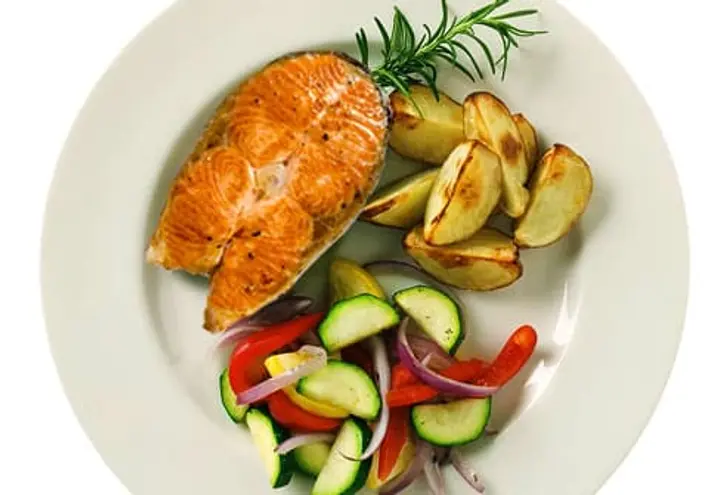
Cancer prevention is not built in one dramatic grocery trip. It is built in the boring, repeated choices that fill your plate on a Tuesday night. The best Anti Cancer Foods are not exotic powders or miracle berries; they are everyday foods that support a healthier weight, better gut function, lower inflammation, and stronger long-term eating patterns. That matters in the United States, where busy schedules, drive-thru dinners, oversized portions, and ultra-processed snacks often make healthy eating feel harder than it should.
Food does not give you a shield against cancer. No honest expert would promise that. But major cancer organizations agree on the same core direction: eat more vegetables, fruits, whole grains, beans, and other plant foods; limit red and processed meat; avoid alcohol or keep it low; and choose foods that help you maintain a healthy weight. The American Cancer Society recommends a healthy eating pattern across all ages, with plenty of colorful plant foods and limited processed meat.
For readers who follow health and wellness coverage through trusted digital publications such as evidence-based lifestyle reporting, the smartest move is not chasing one “superfood.” It is building a plate that makes your body a less welcoming place for chronic inflammation, poor blood sugar control, and excess weight gain.
Anti Cancer Foods Start With a Plant-Heavy Plate
A strong cancer-prevention plate looks less like a strict diet and more like a quiet pattern you can repeat. Vegetables, fruits, beans, and whole grains matter because they bring fiber, vitamins, minerals, and thousands of plant compounds into the same meal. The American Institute for Cancer Research describes its cancer-protective diet as mostly plant foods, while still allowing flexibility for fish, poultry, dairy, eggs, and moderate meat intake.
Why colorful vegetables deserve more respect
Color is not decoration on a plate. It is often a sign that plants carry different protective compounds, which is why a bowl with spinach, carrots, tomatoes, cabbage, and beans gives your body more range than a plain iceberg salad. The goal is variety, not perfection.
Cruciferous vegetables such as broccoli, cabbage, cauliflower, kale, and Brussels sprouts get attention because they contain glucosinolates, compounds studied for how they may support cell defense systems. That does not mean broccoli cures disease. It means a steady habit of eating these vegetables belongs in a serious prevention-minded diet.
A real American dinner does not need to look fancy to work. Add frozen broccoli to turkey chili, shredded cabbage to tacos, or spinach to scrambled eggs. Small upgrades count because most people fail at healthy eating when the plan demands a full personality change by Monday morning.
Fruit works best when it replaces weaker snacks
Fruit often gets treated unfairly because people worry about sugar. That fear misses the bigger picture. Whole fruit brings fiber, water, potassium, vitamin C, and plant compounds in a package that slows eating and supports fullness.
The problem is not an apple after lunch. The problem is replacing fruit with soda, candy, pastries, and sweetened coffee drinks, then wondering why energy crashes every afternoon. Whole fruit gives you sweetness with structure.
Berries, oranges, apples, grapes, peaches, and melon all have a place. Frozen berries are one of the easiest wins in a U.S. kitchen because they are affordable, available year-round, and simple to add to oatmeal or plain yogurt. The counterintuitive part is that the “basic” fruit you actually eat every week beats the rare fruit you buy once and let spoil.
Fiber-Rich Staples Change the Whole Meal
Fiber may be the least glamorous part of cancer-prevention eating, but it does some of the hardest work. Whole grains, beans, lentils, vegetables, nuts, seeds, and fruit help feed gut bacteria, improve fullness, and support healthier digestion. WCRF and AICR recommendations emphasize whole grains, vegetables, fruit, and beans, with a target of at least 30 grams of fiber daily from food sources.
Whole grains are not the same as brown-colored bread
Many shoppers get tricked by packaging. A loaf can look earthy and still be made mostly from refined flour. True whole grains include oats, brown rice, barley, quinoa, whole wheat, bulgur, farro, and corn tortillas made from whole corn.
Whole grains matter most when they replace refined grains, not when they sit beside them. Oatmeal instead of a frosted cereal changes breakfast. Brown rice or barley instead of a giant pile of white pasta changes dinner. A whole-grain sandwich bread with enough fiber changes a rushed lunch.
The best move is to check the first ingredient. If it says “whole wheat,” “whole oats,” or another whole grain first, you are closer to the right choice. If the fiber number is weak, the marketing probably did more work than the grain did.
Beans and lentils are the quiet power food
Beans do not need a wellness label. They have already earned their place. Black beans, chickpeas, lentils, pinto beans, navy beans, and split peas bring fiber and plant protein together, which makes meals more filling without relying on heavy portions of red meat.
A weeknight example is simple: swap half the ground beef in taco filling with black beans. You still get a hearty meal, but you lower the meat load and raise the fiber. That is how prevention eating becomes realistic instead of preachy.
Canned beans are fine when rinsed. Lentils cook fast and work in soups, pasta sauces, grain bowls, and salads. The unexpected win is cost: some of the most protective pantry foods are also among the cheapest foods in the store.
The Best Diet Also Removes What Raises Risk
Healthy eating is not only about adding good foods. Sometimes the bigger shift comes from crowding out foods and drinks that keep raising risk in the background. Processed meat, heavy alcohol use, sugary drinks, and oversized ultra-processed meals can quietly undo progress, even when you add a salad on the side.
Processed meat is not an everyday food
Processed meat includes bacon, hot dogs, sausage, deli meats, ham, and many cured or smoked meat products. The World Health Organization classifies processed meat as carcinogenic to humans, with the strongest link tied to colorectal cancer risk.
That does not mean one hot dog at a baseball game ruins your health. It means processed meat should not be the backbone of breakfast, lunch, and snacks. Daily bacon, deli sandwiches, pepperoni pizza, and sausage-heavy dinners create a pattern worth changing.
Better swaps do not have to feel like punishment. Use grilled chicken, tuna, hummus, egg salad, roasted vegetables, or bean spreads in sandwiches. Choose turkey slices only if they are not acting as a daily excuse to keep eating processed meat under a healthier name.
Alcohol is not heart-healthy magic
Alcohol deserves plain language. For cancer prevention, less is better. The National Cancer Institute notes that many studies have examined diet and cancer risk, and major prevention guidance consistently warns against alcohol because it is linked with several cancer types.
Wine does not become protective because it sounds sophisticated. Cocktails do not become harmless because they come with fresh lime. If you drink, keep it occasional and intentional, not automatic.
The same logic applies to sugary drinks. Soda, sweet tea, energy drinks, and dessert-style coffee drinks can support weight gain when they become routine. They do not need to be treated like poison, but they should not be treated like hydration either.
Building a Cancer-Smart Grocery Routine in America
The most useful nutrition plan is the one that survives real life. A parent shopping after work, a college student living near fast food, or an older adult cooking for one does not need a perfect anti-inflammatory menu. They need repeatable choices that fit a normal American budget, kitchen, and schedule.
Make the cart do half the work
A good cart creates a good week. Start with vegetables you will eat, not vegetables you think a healthier person would buy. Frozen spinach, bagged slaw, baby carrots, canned tomatoes, onions, peppers, and salad greens can cover several meals without much effort.
Add fruit that fits your routine. Apples for work bags, bananas for breakfast, oranges for kids, frozen berries for smoothies, and grapes for snacking all make sense. Then build the base with oats, brown rice, whole-grain bread, beans, lentils, nuts, seeds, eggs, fish, poultry, and plain yogurt.
The store layout can work against you. Snack aisles, end caps, and checkout displays are designed to interrupt your better plans. A written list sounds old-fashioned, but it protects you from buying a week of food based on hunger and packaging.
Cook once in a way that helps three meals
Batch cooking fails when it becomes a full Sunday production. A better method is cooking one useful thing extra. Roast a tray of vegetables. Make a pot of lentil soup. Cook extra brown rice. Wash and chop fruit before it disappears into the back of the fridge.
One roasted chicken can become dinner, soup, and a grain bowl. One pot of beans can become tacos, salad topping, and a side dish. One container of cooked oats can turn into fast breakfasts with berries and nuts.
This is where Anti Cancer Foods become less like a list and more like a system. The food in your fridge should make the next good choice easier than the next poor one. That is the whole game.
Conclusion
Cancer prevention does not reward panic. It rewards patterns. You do not need to eat like a monk, fear every dessert, or turn the grocery store into a chemistry exam. You need more plant foods, more fiber, fewer processed meats, less alcohol, and a kitchen setup that makes those choices repeatable.
The strongest food strategy is also the most practical one: build meals around vegetables, fruit, beans, lentils, whole grains, nuts, seeds, and simple proteins. Then reduce the foods that keep showing up in cancer-risk guidance for the wrong reasons. Anti Cancer Foods work best as part of a daily rhythm, not as isolated heroes.
Start with one plate this week. Add a vegetable you like, replace one refined grain, swap one processed meat, and put fruit where a packaged snack usually goes. Better health often begins with a smaller decision than people expect, but it only works when you make it again tomorrow.
Frequently Asked Questions
What are the best foods to eat every day for cancer prevention?
Vegetables, fruits, beans, lentils, whole grains, nuts, and seeds deserve daily attention. They bring fiber, minerals, vitamins, and plant compounds into regular meals. The strongest approach is variety across the week, not eating one “perfect” food every day.
Can any food actually prevent cancer completely?
No food can prevent cancer completely. Cancer risk depends on genetics, age, environment, tobacco exposure, alcohol use, body weight, infections, activity level, and other factors. Food can lower risk patterns, but it cannot offer a guarantee.
Are berries better than other fruits for cancer risk reduction?
Berries are a smart choice because they contain fiber and plant compounds, but they are not the only useful fruit. Apples, citrus, grapes, peaches, melon, and pears can all support a healthy pattern when they replace weaker snack choices.
How often should Americans eat beans for better health?
Eating beans several times per week is a practical goal for many households. They are affordable, filling, and rich in fiber. Start with two meals weekly, then add them to soups, tacos, salads, rice bowls, or pasta sauce.
Is red meat always bad for cancer prevention?
Red meat does not need to disappear for every person, but portion size and frequency matter. Processed meat is the bigger concern and should be limited more strongly. Choose fish, poultry, beans, lentils, or tofu more often.
What breakfast foods support a cancer-conscious diet?
Oatmeal with berries, whole-grain toast with eggs, plain yogurt with fruit, or a smoothie with spinach and nut butter can work well. A strong breakfast includes fiber and protein instead of relying on refined flour and sugar.
Are organic foods necessary for cancer prevention?
Organic food is not required for a cancer-conscious diet. Eating enough vegetables, fruit, whole grains, and beans matters more than buying only organic. Wash produce well, choose what fits your budget, and focus on consistency.
What is the easiest first step toward a cancer-smart diet?
Add one high-fiber plant food to a meal you already eat. Put beans in tacos, berries in oatmeal, spinach in eggs, or vegetables beside dinner. Small changes work because they do not require you to rebuild your whole life overnight.